
Extractive by Design
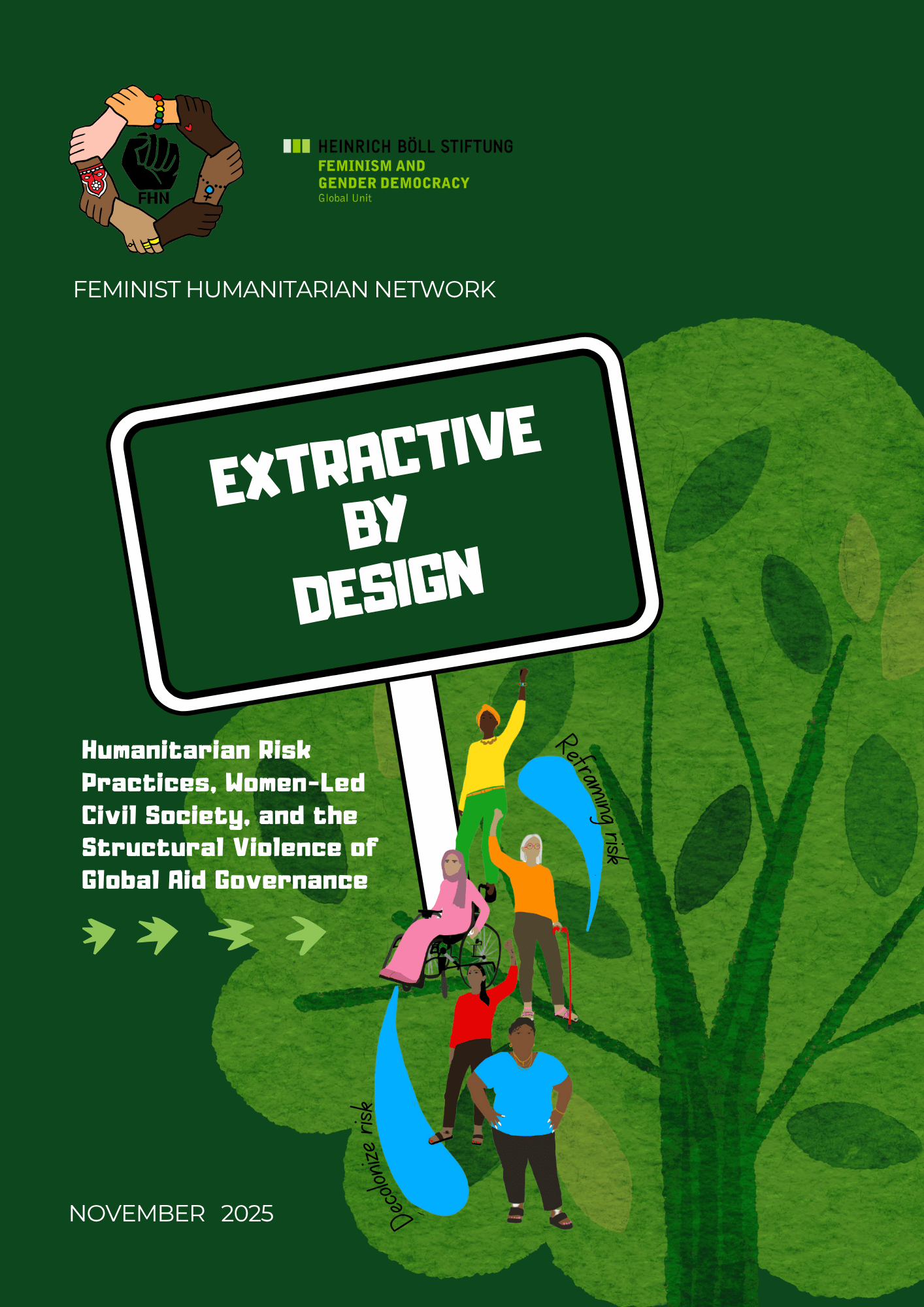
In this report, we document findings from our study showing clearly that the current humanitarian system is extractive by design and perpetuates a form of structural violence which excludes and harms local organisations, and undermines democracy.
Through in-depth interviews, surveys, and focus group discussions, we hear from humanitarian actors what risk means to them, and particularly from Women’s Rights Organisations (WROs) on its impact to their life and work. We demonstrate how risk practices serve to extract labor and threaten WROs, with far reaching implications for democracy.
The report calls on the humanitarian sector to move from risk transfer to risk sharing; from extraction to solidarity; and from systems that burden WROs to systems that recognise, resource, and protect their leadership. Addressing structural violence in aid governance is not only a question of effectiveness - it is essential for democracy, justice, and feminist humanitarian action.
We invite you to read the report, reflect on its findings, and share it widely with colleagues, partners, donors, and others working to reshape the humanitarian system. The questions it raises about risk, power, and structural violence are urgent, and we hope this report can contribute to deeper conversations and collective action towards a more just and feminist humanitarian system.
Risk dumping or risk sharing? A cross-context roundtable discussion on civil society approaches to risk and risk management in humanitarian action
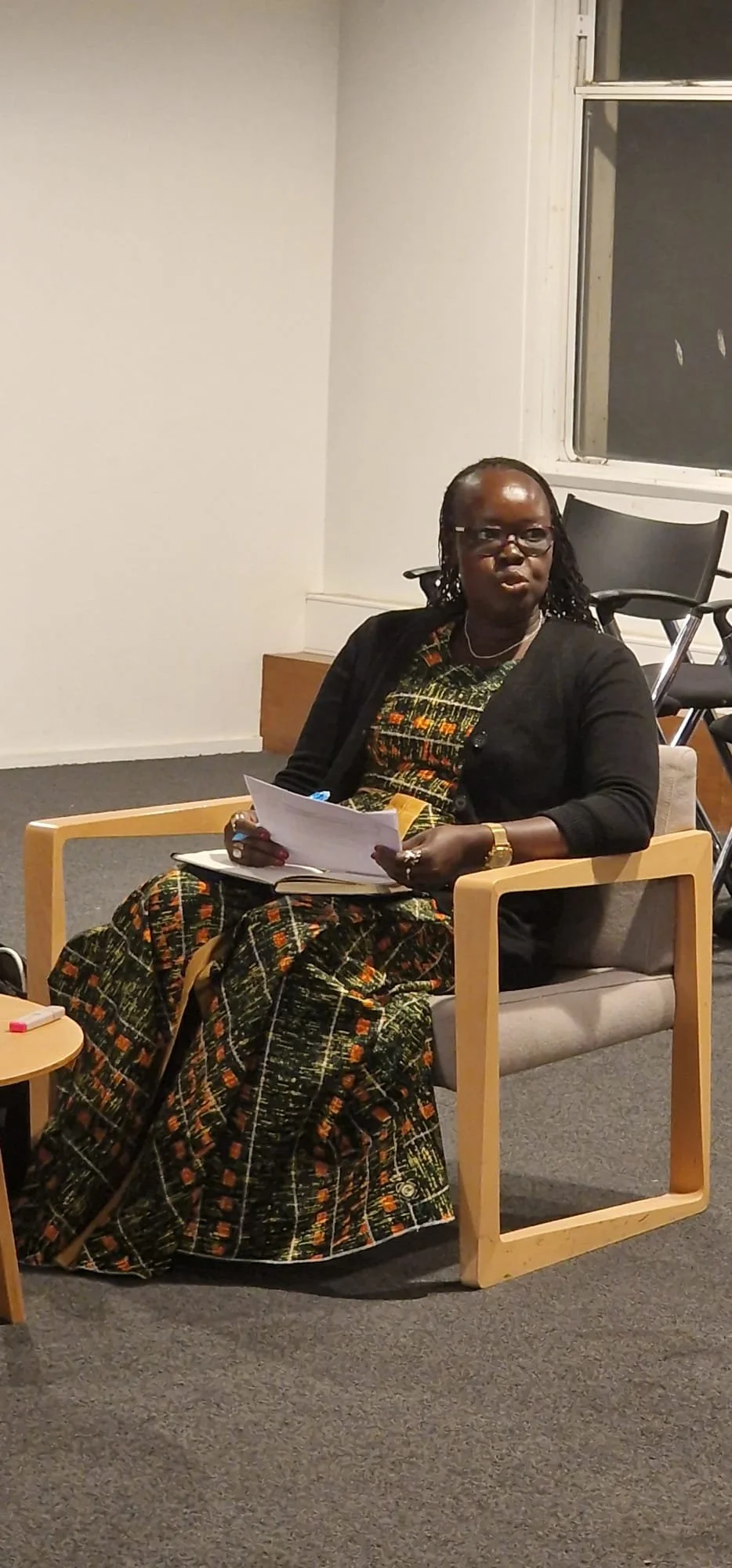
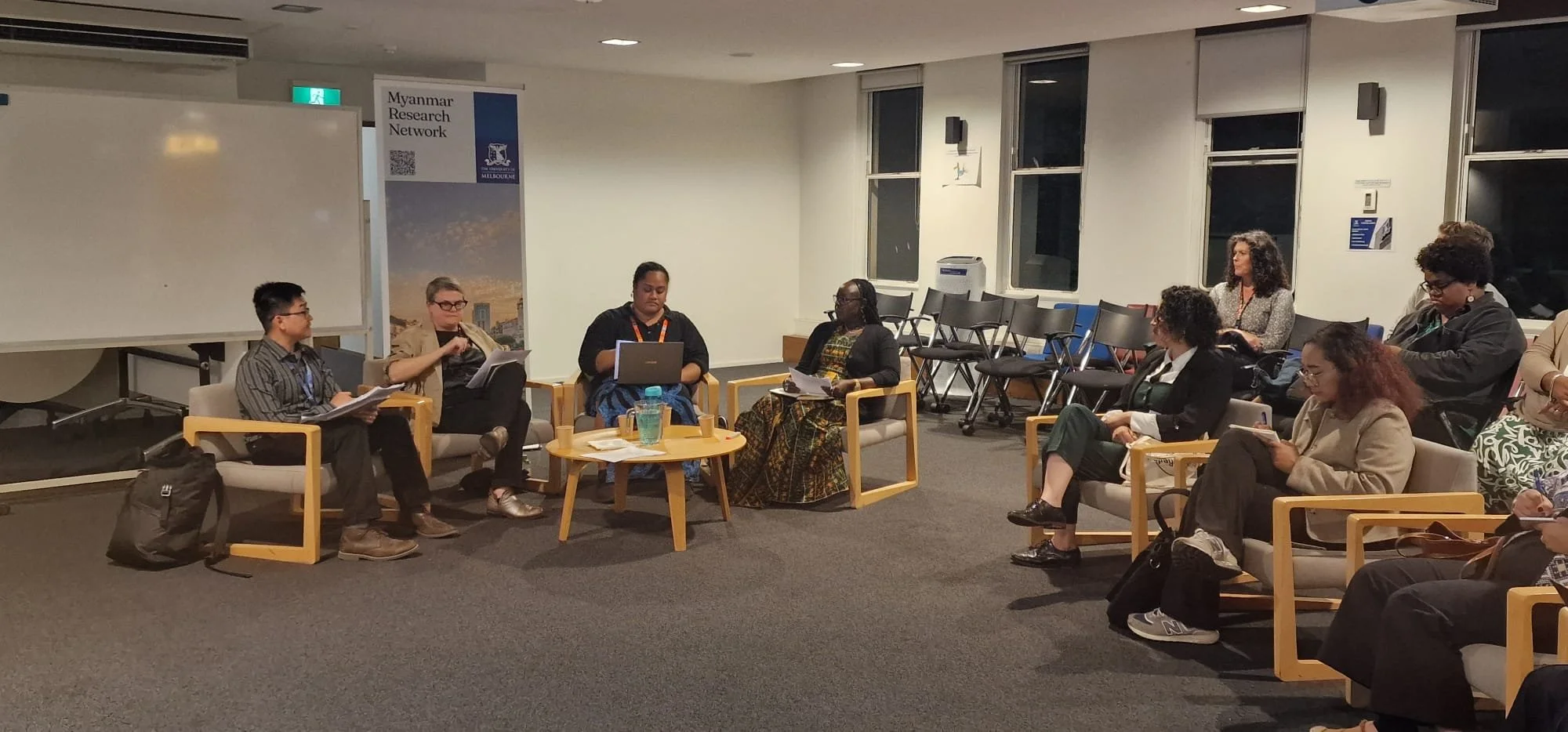
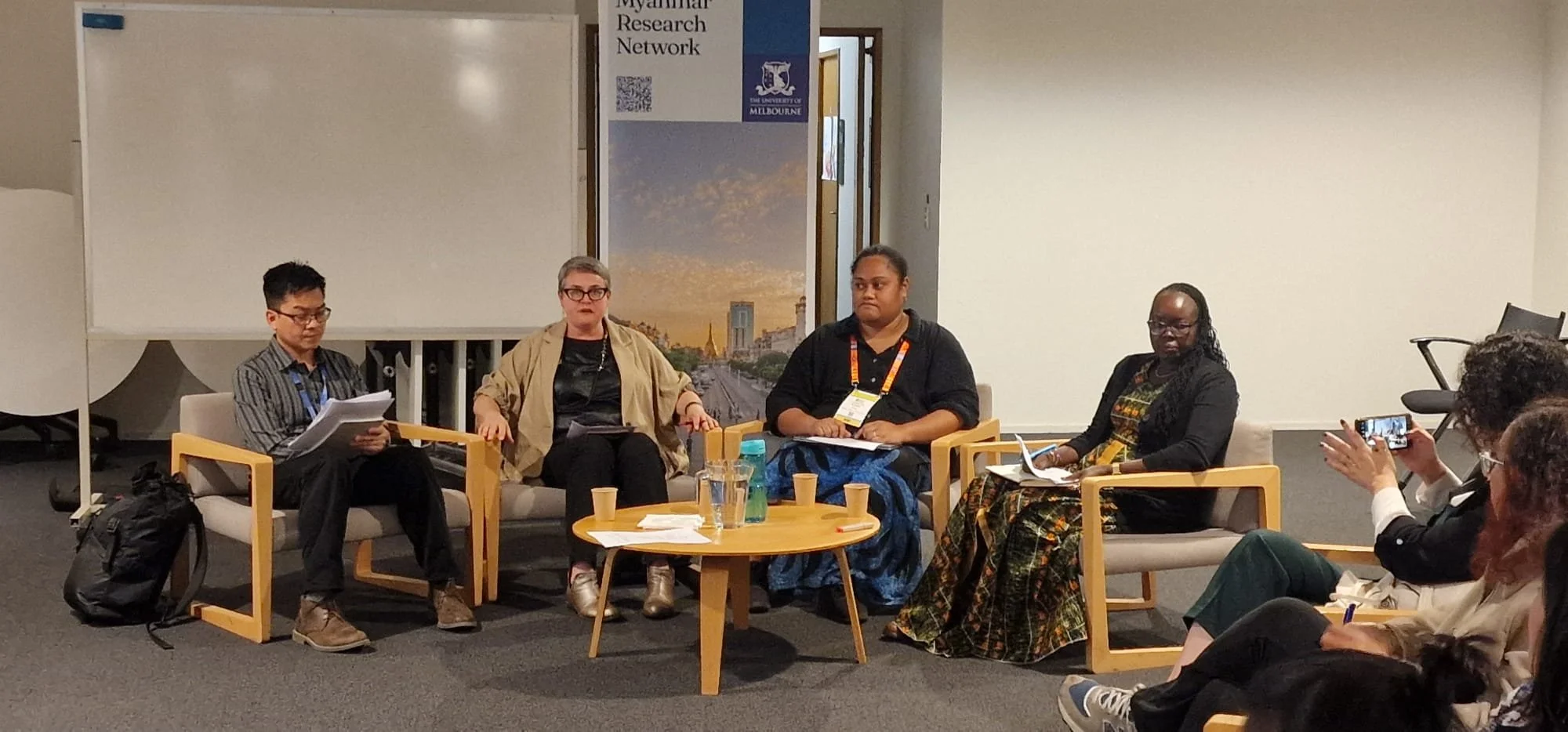
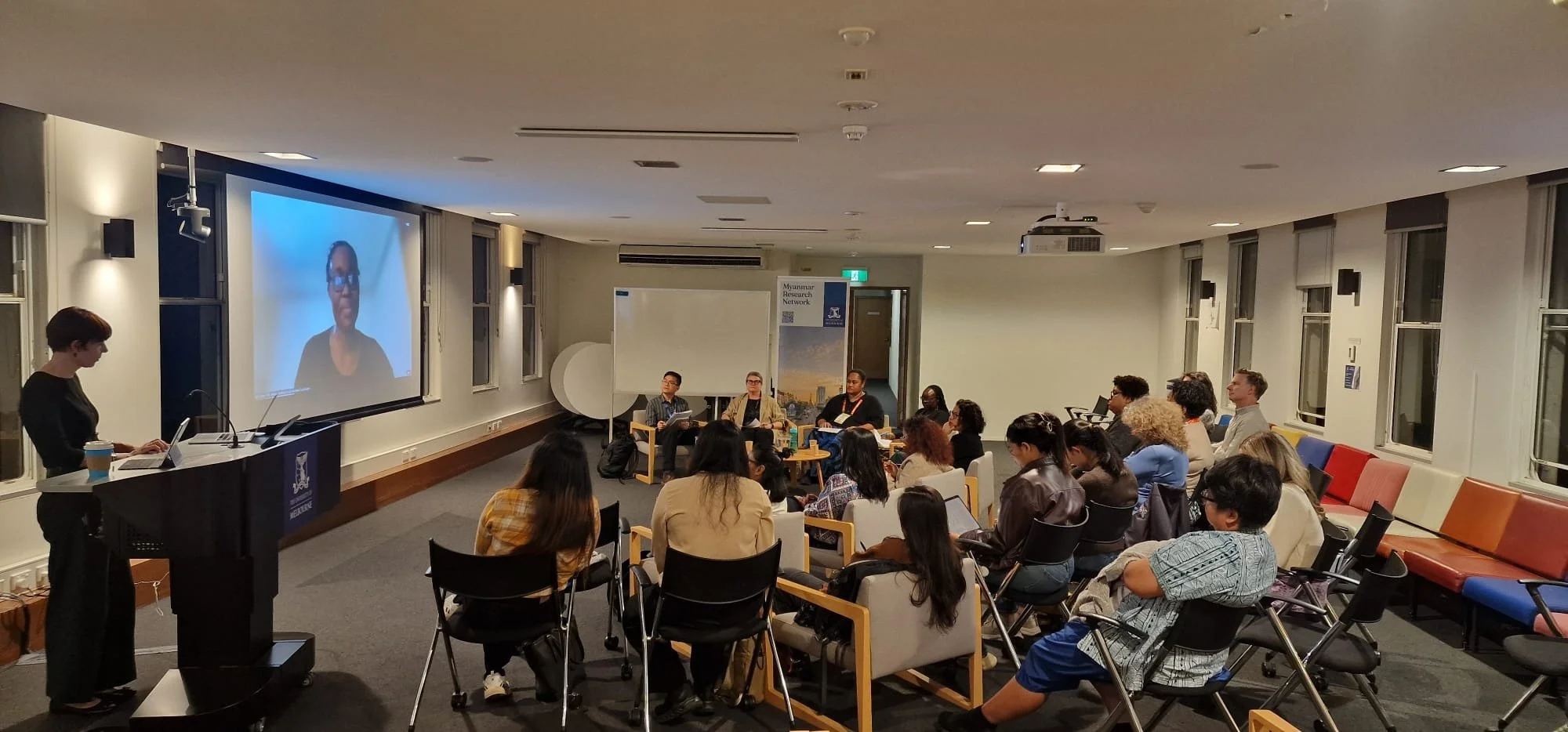
In April, we partnered with the University of Melbourne Myanmar Research Network, the Myanmar Local Intermediary Actor Network (LIAN), Shifting the Power Coalition in the Pacific, and the Charter 4 Change Kenya Working Group and convened a roundtable on the sidelines of Women Deliver in Naarm, where this report was launched.
The discussion brought together feminist and civil society actors, frontline humanitarian responders, donors, and international organisations to explore how risk is understood, managed, mitigated, and shared across humanitarian contexts. Drawing on research and experiences from Asia, Africa, and the Pacific, the conversation centred the knowledge of local and women’s rights organisations and challenged dominant approaches to risk that often transfer responsibility and burden to those closest to affected communities.
The roundtable created space for participants to share evidence, experiences, and practical approaches to more equitable risk sharing, while examining how risk management can support - rather than undermine - local leadership and feminist and decolonial approaches to humanitarian action.
Building on the roundtable, the partner networks are now working towards a joint policy paper bringing together findings and perspectives from across these contexts. The paper will explore how humanitarian actors can move from risk transfer towards more equitable risk sharing, and offer recommendations for donors, international agencies, and other actors to strengthen locally led, feminist, and decolonial approaches to risk.